debt relief for private student loans
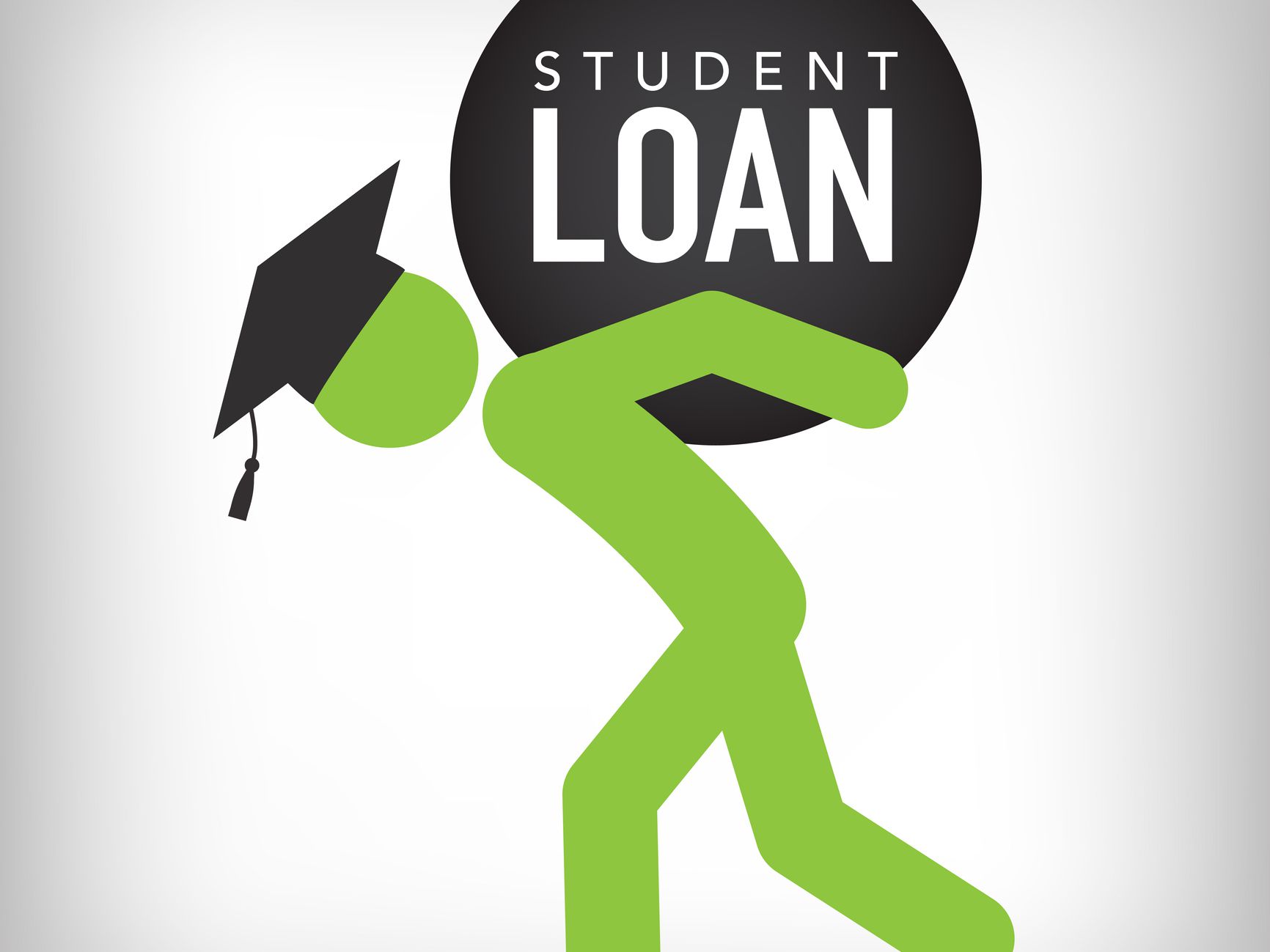
Private student loans can often become a heavy burden on individuals seeking higher education. The increasing costs of tuition and living expenses, coupled with limited job opportunities, can make it challenging for borrowers to repay their loans. However, there are various debt relief strategies available that can help alleviate the financial stress associated with private student loans. In this comprehensive guide, we will explore ten effective ways to tackle private student loan debt and regain control of your financial future.
Loan Repayment Options
When it comes to repaying private student loans, borrowers have several options to choose from. Understanding these repayment plans and finding the one that suits your financial situation best is crucial. One popular option is income-driven repayment, which sets your monthly payments based on a percentage of your discretionary income. This can help make your loan payments more manageable, especially if you're currently earning a lower income.
Another repayment option worth exploring is graduated repayment. This plan starts with lower monthly payments that gradually increase over time. This can be beneficial if you expect your income to rise in the future, as it allows you to start with more affordable payments and adjust as your salary grows.
Additionally, some lenders may offer extended repayment plans, which stretch out the loan term, resulting in lower monthly payments. It's important to note that while this can provide temporary relief, it may also mean paying more in interest over the long run.
Summary:
- Income-driven repayment plans adjust your monthly payments based on your income.
- Graduated repayment plans start with lower payments that increase over time.
- Extended repayment plans offer lower monthly payments but may result in more interest paid in the long run.
Loan Consolidation
Consolidating your private student loans can be an effective strategy for simplifying your repayment process. Instead of dealing with multiple lenders and due dates, loan consolidation allows you to combine all your loans into a single loan with one monthly payment. This can make it easier to keep track of your payments and potentially lower your interest rate.
When considering loan consolidation, it's important to evaluate the pros and cons. On the positive side, consolidation can provide financial relief by extending your repayment term, resulting in lower monthly payments. It can also give you the opportunity to secure a lower interest rate, especially if you have improved your credit score since initially taking out the loans.
However, it's essential to be mindful of the potential drawbacks. Consolidating private student loans may lead to losing certain benefits or protections offered by individual lenders. Additionally, extending the loan term may mean paying more in interest over time. It's crucial to carefully weigh these factors before deciding if loan consolidation is the right choice for you.
Summary:
- Consolidating private student loans simplifies repayment by combining multiple loans into one.
- It can potentially lower your interest rate and provide financial relief through lower monthly payments.
- However, be aware of potential loss of benefits and the possibility of paying more interest over time.
Refinancing Strategies
Refinancing your private student loans involves replacing your existing loans with a new loan that has better terms. This can include securing a lower interest rate, reducing your monthly payments, or even changing your loan servicer. Refinancing can be a valuable strategy to save money on interest and make your loan payments more manageable.
Before refinancing, it's important to evaluate your financial situation and credit score. Lenders typically require a good credit score and stable income to qualify for refinancing. If your credit score has improved since taking out your loans and you have a steady income, you may be eligible for a lower interest rate through refinancing.
It's crucial to shop around and compare offers from different lenders when considering refinancing. Each lender may have different terms, rates, and fees, so it's essential to find the best option that suits your unique needs. Additionally, consider the impact of refinancing on your loan term and overall financial goals.
Summary:
- Refinancing replaces existing loans with a new loan that offers better terms.
- It can help secure a lower interest rate, reduce monthly payments, and potentially save money on interest.
- Evaluate your credit score, income stability, and compare offers from different lenders to find the best refinancing option.
Negotiating with Lenders
If you're struggling to meet your private student loan payments, it's worth exploring the possibility of negotiating with your lenders. While lenders are not obligated to modify your loan terms, they may be willing to work with you if they believe it's in their best interest.
When negotiating with lenders, it's essential to be prepared and present a strong case. Start by gathering documentation that supports your financial hardship, such as pay stubs, tax returns, and proof of other financial obligations. This will help you demonstrate that you're unable to meet your current payment obligations.
One negotiating strategy is to request a lower interest rate. By showing that you're a responsible borrower and highlighting your financial difficulties, lenders may be willing to reduce your interest rate, resulting in lower monthly payments. Another option is to negotiate for an extended repayment term, which can also lower your monthly payments.
Keep in mind that lenders have their own policies and guidelines for modification requests, so it's important to familiarize yourself with their procedures and requirements. Professional assistance, such as credit counselors or student loan lawyers, can provide valuable guidance and support throughout the negotiation process.
Summary:
- Prepare a strong case by gathering documentation that supports your financial hardship.
- Request a lower interest rate or extended repayment term when negotiating with lenders.
- Be aware of lender policies and consider seeking professional assistance for guidance.
Loan Forgiveness Programs
Loan forgiveness programs can provide significant relief for borrowers struggling with private student loan debt. These programs offer opportunities to have a portion or all of your loans forgiven under specific circumstances.
One well-known forgiveness program is the Public Service Loan Forgiveness (PSLF) program, which forgives the remaining loan balance for borrowers employed full-time in qualifying public service jobs after making 120 eligible payments. This program can be particularly beneficial for individuals pursuing careers in fields such as education, healthcare, or government.
Another forgiveness program to explore is the Teacher Loan Forgiveness program, which forgives up to a certain amount of debt for qualified teachers working in low-income schools. This program aims to incentivize individuals to pursue careers in education and address the shortage of teachers in disadvantaged areas.
It's important to note that forgiveness programs often have specific eligibility criteria and require meeting certain obligations. Understanding the requirements and diligently following the necessary steps is essential to maximize your chances of loan forgiveness.
Summary:
- Loan forgiveness programs offer opportunities to have a portion or all of your loans forgiven.
- The Public Service Loan Forgiveness (PSLF) program is available for qualifying public service employees.
- The Teacher Loan Forgiveness program forgives a specific amount of debt for eligible teachers in low-income schools.
Financial Hardship Programs
If you're facing financial hardship and struggling to make your private student loan payments, many lenders offer assistance programs to provide temporary relief. These programs can help you navigate difficult financial situations and avoid defaulting on your loans.
One common assistance option is deferment, which allows you to temporarily stop making payments on your loans. During deferment, interest may still accrue, but it can provide short-term relief if you're experiencing unemployment or other financial challenges.
Forbearance is another option that temporarily suspends or reduces your loan payments. Unlike deferment, interest continues to accrue during forbearance. It's important to carefully consider the potential impact on your repayment term and overall loan balance when opting for forbearance.
Income-based repayment plans can also be helpful for borrowers experiencing financial hardship. These plans set your monthly payments based on a percentage of your income, making them more affordable during times of reduced income.
Summary:
- Deferment allows you to temporarily stop making loan payments, but interest may still accrue.
- Forbearance temporarily suspends or reduces loan payments, with interest continuing to accrue.
- Income-based repayment plans adjust monthly payments based on your income during financial hardship.
Budgeting and Money Management
One crucial aspect of managing private student loan debt is adopting effective budgeting techniques and money management strategies. By optimizing your financial situation, you can allocate more funds towards your loan repayments and make progress towards becoming debt-free.
Start by creating a realistic budget that includes all your income and expenses. Take a close look at your spending habits and identify areas where you can cut back or make adjustments. This could involve reducing discretionary expenses, finding ways to save on necessities, or exploring alternative sources of income.
Consider implementing strategies such as the envelope system, where you allocate cash to different categories and only spend what's available in each envelope. This can help you stay accountable and avoid overspending. Additionally, explore apps or online tools that can assist with tracking your expenses and managing your budget effectively.
Remember to prioritize your debt payments within your budget. By making loan repayment a priority, you can allocate a significant portion of your income towards reducing your private student loans.Summary:
- Create a realistic budget that includes all income and expenses.
- Identify areas where you can cut back or make adjustments to save money.
- Consider using the envelope system or digital tools to track expenses and manage your budget effectively.
Seeking Professional Help
If you find yourself overwhelmed or unsure about how to navigate your private student loan debt, seeking professional help can provide valuable guidance and support. Credit counselors and student loan lawyers specialize in helping individuals manage their debt and can offer personalized advice based on your specific situation.
Credit counselors can assist you in creating a comprehensive plan for managing your debt and improving your overall financial health. They can provide strategies for budgeting, debt repayment, and negotiating with lenders. Additionally, they can help you understand your rights as a borrower and provide resources to address any legal concerns you may have.
Student loan lawyers can offer insights into complex legal matters related to private student loans. They can review your loan agreements, assess any potential legal violations, and advocate on your behalf if necessary. They can also provide guidance on potential legal options and protections available to borrowers.
When seeking professional help, it's important to do thorough research and choose reputable individuals or organizations. Look for professionals with experience in student loan debt and positive reviews from previous clients. Additionally, consider reaching out to nonprofit organizations that offer free or low-cost credit counseling services.
Summary:
- Credit counselors can help create a plan for managing your debt and negotiating with lenders.
- Student loan lawyers specialize in legal matters related to private student loans and can provide valuable guidance.
- Research professionals with experience in student loan debt and consider nonprofit organizations for affordable counseling services.
Avoiding Default and Delinquency
Defaulting or becoming delinquent on your private student loans can have severe consequences on your financial well-being. It's essential to take proactive steps to prevent these situations and protect your credit score and overall financial health.
One effective strategy is to communicate with your lenders if you're facing financial difficulties. Many lenders offer assistance programs, as mentioned earlier, that can provide temporary relief. It's crucial to reach out to them as soon as you anticipate potential problems in making your payments.
Another important step is to prioritize your loan payments within your budget. Make your loan payments a priority and allocate a significant portion of your income towards them. Consider cutting back on non-essential expenses or exploring alternative sources of income to ensure you can meet your payment obligations.
Additionally, if you're facing long-term financial hardship that makes it impossible to repay your loans, it may be worth exploring options such as loan forgiveness programs or bankruptcy. These decisions should be made carefully and with professional guidance to ensure you fully understand the implications.
Summary:
- Communicate with your lenders if you're facing financial difficulties to explore assistance programs.
- Make loan payments a priority within your budget and allocate a significant portion of your income towards them.
- Consider loan forgiveness programs or bankruptcy as options for long-term financial hardship, with professional guidance.
Long-Term Financial Planning
While addressing your private student loan debt is crucial, it's equally important to focus on long-term financial planning to ensure a secure future. By adopting smart financial habits and building a solid foundation, you can manage your debt effectively and work towards financial freedom.
Start by building an emergency fund to cover unexpected expenses. Having a safety net can prevent you from relying on credit cards or loans in times of financial need.
Investing wisely is another key aspect of long-term financial planning. Explore options such as retirement accounts and other investment vehicles that can help you grow your wealth over time.
Consider seeking the guidance of a financial advisor who can provide personalized advice based on your goals and risk tolerance. They can help you develop a comprehensive financial plan and provide insights on managing your debt while working towards your long-term objectives.
Lastly, it's important to regularly reassess your financial situation and adjust your plan as needed. Life circumstances and goals may change over time, and it's important to adapt your strategies accordingly.
Summary:
- Build an emergency fund to cover unexpected expenses and avoid relying on credit cards or loans.
- Explore investment options to grow your wealth over time and secure your financial future.
- Seek the guidance of a financial advisor to develop a comprehensive plan tailored to your goals and risk tolerance.
- Regularly reassess your financial situation and adjust your strategies as needed.
In conclusion, tackling private student loan debt requires a comprehensive and proactive approach. By exploring the various debt relief options available, such as loan repayment plans, consolidation, refinancing, and negotiation, you can find strategies that suit your unique financial situation. Additionally, taking advantage of loan forgiveness programs and financial hardship programs can provide temporary relief. Adopting effective budgeting techniques, seeking professional help when needed, and focusing on long-term financial planning are essential for successfully managing your private student loan debt. By implementing these strategies and staying committed to your financial goals, you can alleviate the burdens of your private student loans and pave the way towards a brighter financial future.


Comments
Post a Comment