business loans working capital
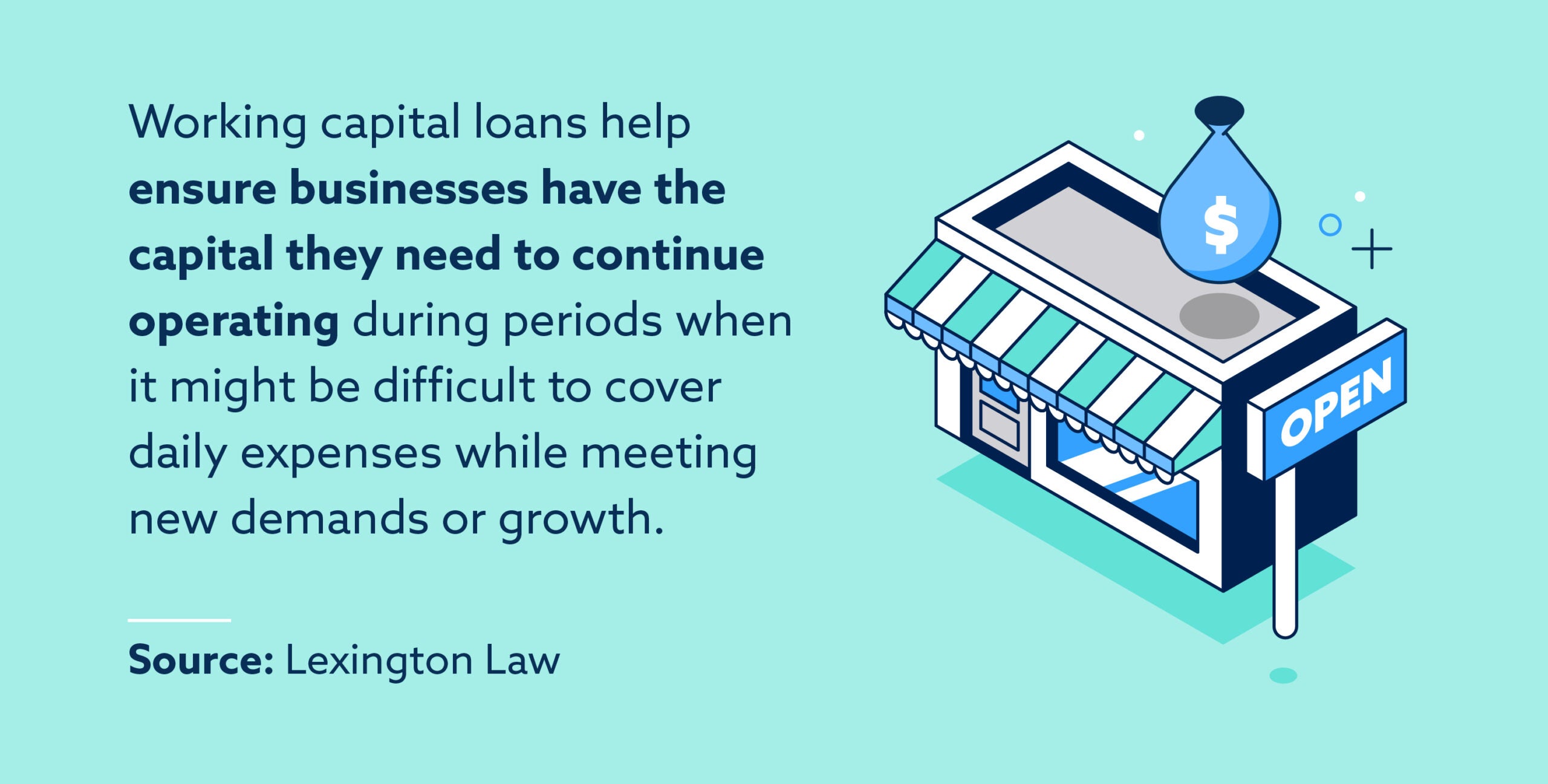
Are you a business owner in need of immediate funds to cover day-to-day expenses, purchase inventory, or invest in growth opportunities? Look no further. In this comprehensive guide, we will delve into the world of business loans for working capital and provide you with a wealth of information to help you make informed decisions.
Whether you are a startup or an established business, having sufficient working capital is vital for your daily operations. However, with the myriad of loan options available, it can be overwhelming to choose the right one for your unique needs. This article aims to simplify the process and equip you with the knowledge you need to secure the necessary funds.
What is Working Capital?
Working capital is the lifeblood of any business, representing the funds needed to cover day-to-day operations, such as paying suppliers, employees, and utility bills. It is calculated by subtracting current liabilities from current assets and provides a measure of a company's short-term financial health.
Components of Working Capital
Working capital consists of various components that contribute to a company's ability to meet its short-term obligations. These components include cash on hand, accounts receivable, inventory, and accounts payable. Each component plays a crucial role in maintaining a healthy cash flow and ensuring the smooth operation of the business.
The Significance of Working Capital
Having sufficient working capital is essential for businesses for several reasons. Firstly, it allows for the efficient management of day-to-day operations, ensuring that bills and salaries can be paid promptly. Secondly, it provides a cushion for unexpected expenses or emergencies, minimizing the risk of financial strain. Finally, working capital enables businesses to seize growth opportunities and invest in initiatives that drive long-term success.
Types of Business Loans for Working Capital
When it comes to securing financing for working capital, businesses have various options to choose from. Each type of loan has its own advantages and considerations. Understanding the different types can help you make an informed decision based on your specific needs. Let's explore some of the most common types of business loans for working capital.
Traditional Bank Loans
Traditional bank loans are a popular choice for businesses seeking working capital. These loans are typically provided by commercial banks and require a formal application process, including a detailed business plan and financial statements. Bank loans often offer competitive interest rates and flexible repayment terms, making them suitable for businesses with a strong credit history and collateral to offer.
Lines of Credit
A line of credit is a revolving loan that provides businesses with access to a predetermined amount of funds. Unlike traditional loans, lines of credit allow borrowers to withdraw funds as needed, making them a flexible option for managing fluctuating working capital needs. Interest is only charged on the amount utilized, and once repaid, the credit becomes available again, similar to a credit card.
Invoice Financing
Invoice financing, also known as accounts receivable financing, is a financing option that allows businesses to convert their outstanding invoices into immediate cash. With invoice financing, a lender advances a percentage of the invoice value (typically 80-90%) and collects payment directly from the customer. This type of financing can be beneficial for businesses facing cash flow gaps due to delayed payments from clients.
Merchant Cash Advances
Merchant cash advances are a quick and convenient financing option for businesses that generate revenue through credit card sales. In a merchant cash advance, a lender provides upfront cash in exchange for a portion of future credit card sales. Repayment is made through a predetermined percentage of daily credit card transactions, making it suitable for businesses with fluctuating sales volumes.
Alternative Financing Options
In addition to traditional bank loans, lines of credit, invoice financing, and merchant cash advances, businesses can explore alternative financing options to meet their working capital needs. Crowdfunding, peer-to-peer lending, and grants are some examples of innovative methods that can provide access to funding without traditional banking institutions.
How to Determine Your Working Capital Needs
Before applying for a business loan, it is essential to assess your working capital needs accurately. Understanding your specific requirements will help you choose the right loan type and amount. Here are some factors to consider when determining your working capital needs:
Industry and Business Cycle
Each industry has its own unique cash flow patterns and seasonality. Analyzing your industry's business cycle can provide insights into when you may experience peaks or troughs in working capital requirements. For example, retail businesses may need additional funds during holiday seasons, while construction companies may require more working capital during the summer months.
Growth Plans
If you have growth plans for your business, it is important to assess how they will impact your working capital needs. Expansion, opening new locations, or launching new product lines may require additional funding to support increased inventory, marketing efforts, or hiring more staff. Evaluating the potential impact of growth on your working capital will help you determine the loan amount needed.
Projected Cash Flow
Preparing a detailed cash flow projection can provide valuable insights into your future working capital requirements. By forecasting your inflows and outflows, you can identify periods of potential cash shortages and plan accordingly. This will help you determine the loan amount needed and the repayment terms that align with your cash flow patterns.
Traditional Bank Loans for Working Capital
Traditional bank loans have long been a reliable source of financing for businesses. These loans are provided by commercial banks, require collateral, and are subject to a thorough review process. Here's what you need to know about traditional bank loans for working capital:
Application Process
Applying for a traditional bank loan involves several steps. You will need to provide detailed financial statements, including income statements, balance sheets, and cash flow statements. Additionally, banks may require a well-crafted business plan that outlines your objectives, strategies, and financial projections. Collateral may be required to secure the loan, and the bank will assess your creditworthiness before making a decision.
Advantages of Bank Loans
Traditional bank loans offer several advantages. They generally have lower interest rates compared to alternative financing options, making them cost-effective in the long run. Additionally, bank loans often come with longer repayment terms, providing businesses with more time to repay the borrowed funds. Finally, successfully repaying a bank loan can help establish or improve your business's credit history, making it easier to secure future financing.
Considerations for Bank Loans
While traditional bank loans have their advantages, there are some considerations to keep in mind. Banks typically have strict eligibility requirements, making it challenging for businesses with limited credit history or insufficient collateral to qualify. The application process can be lengthy and time-consuming, and approval is not guaranteed. Additionally, banks may impose restrictive covenants, such as requiring regular financial reporting or limiting your ability to take on other debt.
Lines of Credit: Flexible Financing for Working Capital
A line of credit is a versatile financing option that provides businesses with flexibility in managing their working capital needs. Here's what you need to know about lines of credit:
How Lines of Credit Work
A line of credit works similarly to a credit card. Once approved, you are given access to a predetermined credit limit. You can draw funds from the line of credit as needed, up to the approved limit. Interest is only charged on the amount utilized, and as you repay the borrowed funds, the credit becomes available again, allowing for ongoing access to working capital.
Advantages of Lines of Credit
Lines of credit offer several advantages for businesses. Firstly, they provide flexibility in managing working capital needs, allowing you to borrow as much or as little as required. This flexibility is particularly useful for businesses with fluctuating cash flow or seasonal sales patterns. Secondly, lines of credit are typically unsecured, meaning they do not require collateral. This can be advantageous for businesses that lack sufficient assets to pledge as collateral.
Considerations for Lines of Credit
While lines of credit are a valuable financing tool, there are considerations to keep in mind. Interest rates on lines of credit tend to be higher than those of traditional bank loans. Additionally, lines of credit may have fees associated with them, such as annual fees or transaction fees. It is crucial to carefully review the terms and conditions of the line of credit before committing to ensure it aligns with your business's needs.
Invoice Financing: Unlocking Cash Flow for Working Capital
For businesses with outstanding invoices, invoice financing can be a viable option to access immediate working capital. Here's what you need to know about invoice financing:
How Invoice Financing Works
Invoice financing allows businesses to leverage their outstanding invoices to secure immediate cash. Instead of waiting for customers to pay, a lender advances a percentage of the invoice value (typically 80-90%). The lender then collects payment directly from the customer when the invoice becomes due, deducts their fees, and returns the remaining balance to the business. This type of financing can bridge the gap between completing a sale and receiving payment, providing businesses with the necessary cash flow to cover expenses.
Advantages of Invoice Financing
Invoice financing offers several advantages for businesses. Firstly, it provides immediate access to funds thatcan be used to cover working capital needs without waiting for invoices to be paid. This can help improve cash flow and ensure that business operations can continue smoothly. Secondly, invoice financing is based on the creditworthiness of the business's customers, rather than the business itself. This means that businesses with limited credit history or lower credit scores may still be eligible for invoice financing. Finally, invoice financing can be a flexible option, as businesses can choose which invoices to finance, allowing them to tailor the financing to their specific needs.
Considerations for Invoice Financing
While invoice financing can be a valuable tool, there are some considerations to keep in mind. Lenders typically charge a fee for their services, which is deducted from the invoice value. It's important to carefully review the fee structure to understand the overall cost of financing. Additionally, businesses must have a reliable invoicing and collections process in place to ensure that customers pay on time. Late payments or non-payment can affect the business's ability to repay the advance and may incur additional fees or penalties.
Merchant Cash Advances: Swift Access to Working Capital
Merchant cash advances offer a quick and convenient way for businesses that generate revenue through credit card sales to access working capital. Here's what you need to know about merchant cash advances:
How Merchant Cash Advances Work
In a merchant cash advance, a lender provides upfront cash to a business in exchange for a percentage of future credit card sales. The lender and the business agree on a fixed percentage of daily credit card sales that will be deducted as repayment. This repayment structure allows businesses to repay the advance at a pace that aligns with their sales volume. The advance is typically repaid over a relatively short period, often ranging from a few months to a year.
Advantages of Merchant Cash Advances
Merchant cash advances offer several advantages for businesses. Firstly, they provide quick access to funds, often within a few days of approval. This can be particularly beneficial for businesses facing urgent working capital needs. Secondly, merchant cash advances have a straightforward application process, with less emphasis on credit history and collateral compared to traditional bank loans. Finally, repayment is based on a percentage of credit card sales, meaning that businesses with fluctuating revenue can align their repayments with their cash flow.
Considerations for Merchant Cash Advances
While merchant cash advances can be a convenient financing option, there are considerations to keep in mind. The cost of a merchant cash advance is typically higher than that of traditional bank loans or lines of credit, as lenders charge a factor rate instead of an interest rate. It's important to carefully review the terms and calculate the total cost of borrowing before committing to a merchant cash advance. Additionally, businesses should ensure that their credit card sales volume is sufficient to support the repayment structure without causing financial strain.
Alternative Financing Options for Working Capital
In addition to traditional bank loans, lines of credit, invoice financing, and merchant cash advances, businesses can explore alternative financing options to meet their working capital needs. Here are a few alternative options worth considering:
Crowdfunding
Crowdfunding has gained popularity as a way for businesses to raise funds from a large number of individuals who believe in their product or vision. Platforms like Kickstarter and Indiegogo allow businesses to present their ideas to potential backers who can contribute funds in exchange for rewards or early access to products. Crowdfunding can be a viable option for businesses with a compelling story or unique product that resonates with a wide audience.
Peer-to-Peer Lending
Peer-to-peer lending platforms connect businesses directly with individual lenders who are willing to lend money in return for interest. These platforms provide an alternative to traditional lenders and can be a good option for businesses that may not meet the strict criteria of banks. Peer-to-peer lending often involves a straightforward application process and can offer competitive interest rates depending on the borrower's creditworthiness.
Grants
Grants are non-repayable funds provided by various organizations, including government agencies, foundations, and non-profit organizations. Businesses can apply for grants that align with their industry, objectives, or specific projects. While grants can be highly competitive, they offer the advantage of not requiring repayment, providing businesses with a valuable source of working capital without incurring debt.
Tips for Securing Business Loans for Working Capital
Securing a business loan for working capital can be a competitive process. Here are some tips to help increase your chances of success:
1. Improve Your Credit Score
A higher credit score can improve your chances of securing favorable loan terms. Paying bills on time, reducing outstanding debt, and maintaining a low credit utilization ratio are some ways to boost your credit score over time.
2. Prepare a Solid Business Plan
A well-crafted business plan demonstrates your understanding of your industry, market, and financial projections. Presenting a comprehensive plan to lenders shows that you have thoroughly considered your working capital needs and have a strategy in place for repayment.
3. Gather and Organize Financial Documents
Lenders will require various financial documents, such as income statements, balance sheets, and tax returns. Having these documents organized and readily available will streamline the application process and instill confidence in the lender.
4. Explore Multiple Lenders
Don't limit yourself to a single lender. Shop around and compare loan terms, interest rates, and repayment options from different lenders. This will help you secure the most favorable financing terms for your business.
5. Consider Collateral Options
If you have valuable assets, such as real estate or equipment, consider offering them as collateral to secure the loan. Collateral can provide lenders with additional security and may increase your chances of loan approval.
6. Build Relationships with Lenders
Establishing relationships with lenders can be beneficial when seeking working capital loans. Attend networking events, join industry associations, and engage with local banking professionals to build connections that can help you navigate the loan application process.
7. Prepare an Elevator Pitch
Be ready to concisely explain your business and its working capital needs in a compelling manner. Crafting an elevator pitch that highlights the unique aspects of your business can leave a lasting impression on lenders.
8. Be Transparent and Honest
When interacting with lenders, always be transparent and honest about your business's financial situation. Lenders appreciate open communication and will be more likely to work with you if they trust that you are presenting accurate information.
9. Seek Professional Advice
If you find the loan application process overwhelming, consider seeking advice from professionals such as accountants or financial advisors. They can provide guidance on loan options, help you prepare financial documents, and offer insights into securing the best financing for your working capital needs.
10. Maintain Strong Financial Management Practices
Even after securing a loan, it's important to continue practicing strong financial management. Monitor your cash flow, regularly review your financial statements, and make timely repayments to ensure your business remains financially healthy.
In conclusion, securing adequate working capital is crucial for businesses of all sizes. By understanding the various types of business loans available, calculating your working capital needs, and following the best practices for loan applications, you can ensure your business has the funds it needs to thrive. Remember, making informed decisions is the key to successfully managing your working capital and fueling your business's growth.


Comments
Post a Comment